The Death of Websites
Websites didn't die. What died was the way we treated pages as final destinations, not as living systems.
Code and Soul
Engineering Team

For years we've heard predictions about the "end of websites." First came mobile, then apps, then superapps, then social networks, then chatbots. And now, the new wave: "AI will end websites." It won't. What's dying, silently, yet inevitably, is the old notion of website as a final product, a static navigation piece that requires the user to adapt to the format.
What is being born in their place is something radically different: digital ecosystems that respond, interpret and shape themselves to human behaviour in real time. And that changes everything. This article is not an epitaph for websites. It is an announcement of their transfiguration.
The website as a static piece is dead
For two decades we built websites as if they were books: pages organized in chapters, links as indexes, and menus as maps. But the modern user doesn't read; they move. They don't navigate by curiosity; they seek immediate relevance.
Sites suffered three deaths: cognitive death (the user won't decipher architecture), temporal death (the site doesn't follow intention), and purpose death (having a site is no longer a differentiator).
Websites died not from irrelevance, but from an inability to evolve.
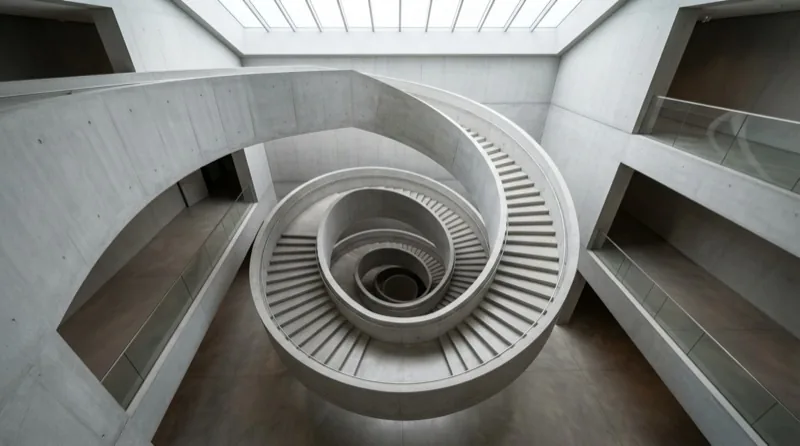
The site is no longer a repository of pages. It is an environment where every action changes what the user sees.
The new paradigm: systems that respond
What replaces the traditional website is not "AI on the frontend." It's intelligence applied to the flow between data, people, and decisions. The site stops being a "place" and becomes a layer of reading, interpretation, decision, and dynamic delivery.
The site is no longer a repository of pages. It's an environment where every user action alters what they see, when they see it, and why they see it. It's no longer navigation. It's orchestration.
General content died. Context won
The traditional website treats every user the same way. It's the most primitive view of digital possible. Two users entering the same page shouldn't see the same thing. And yet, 99% of sites do this.
The new paradigm is: same content, presented differently according to intention. Interfaces that don't adapt context aren't just old, they're hostile.

Brands that understand the digital present do not build "sites". They build ecosystems.
The death of classic navigation
Menu, submenus, breadcrumbs… all of this was created to solve a four-word problem: "Where am I now?" But today the user doesn't care about "where they are." They care about "where this takes me immediately."
In the new paradigm: the page adjusts to the user before they even become aware of what they're looking for. It's the end of navigation as the main mechanism.
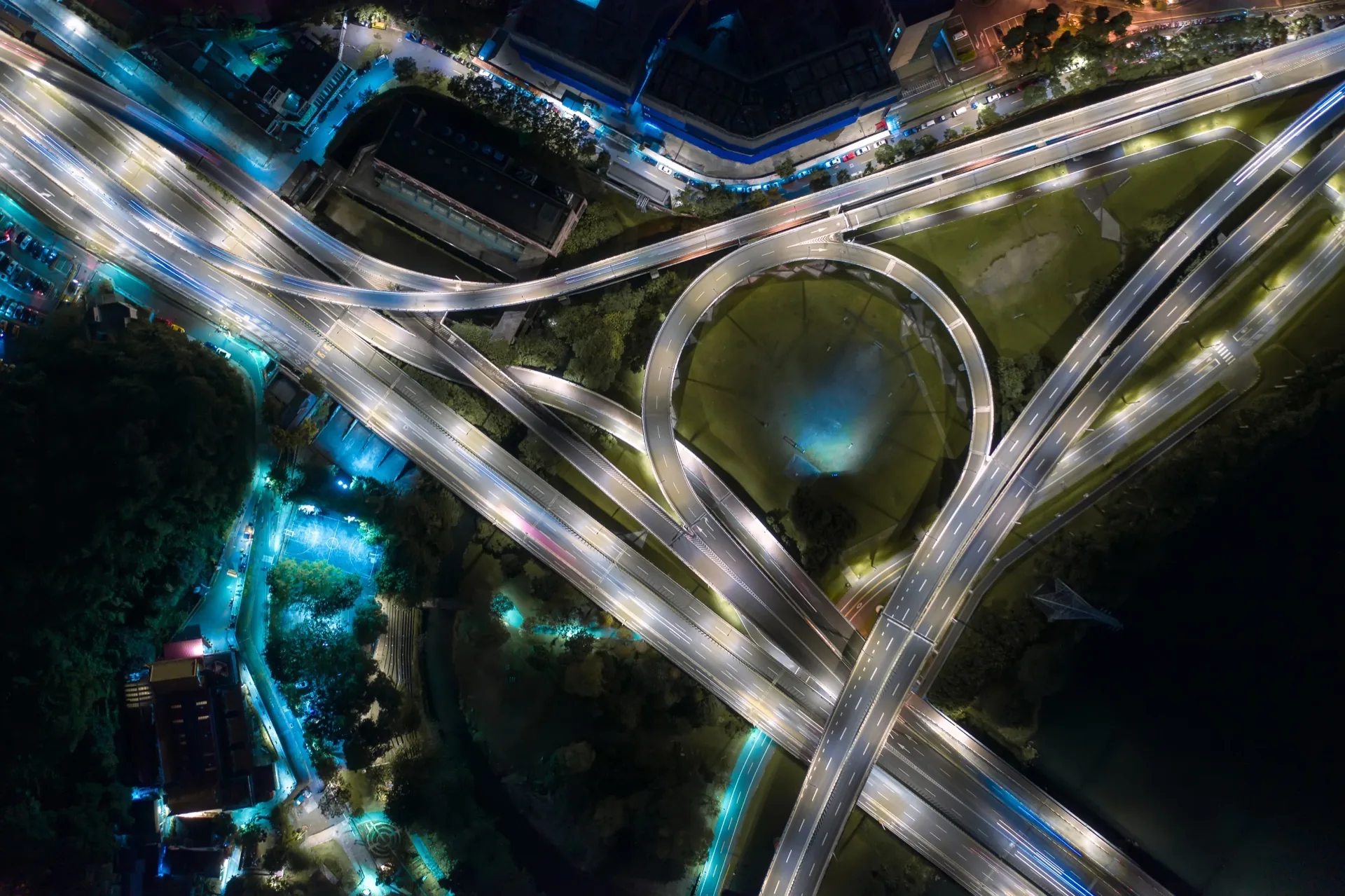
The death of websites gave birth to ecosystems
Brands that understand the digital present don't build "sites." They build platforms, hubs, decision engines, data pipelines, dynamic experiences, microapplications, and interfaces that self-adjust.
This requires three layers: user observability, intention interpretation, and automatic action. This isn't a site. It's an organism.
Websites died because of attention fragmentation
Attention is no longer linear. The user is in multiple windows, alternates between apps, receives interruptions, consumes scattered fragments. The static site presumes focus. The modern user operates in dispersion.
The only way to survive dispersion is by reducing cognitive friction. Traditional websites were built on friction.
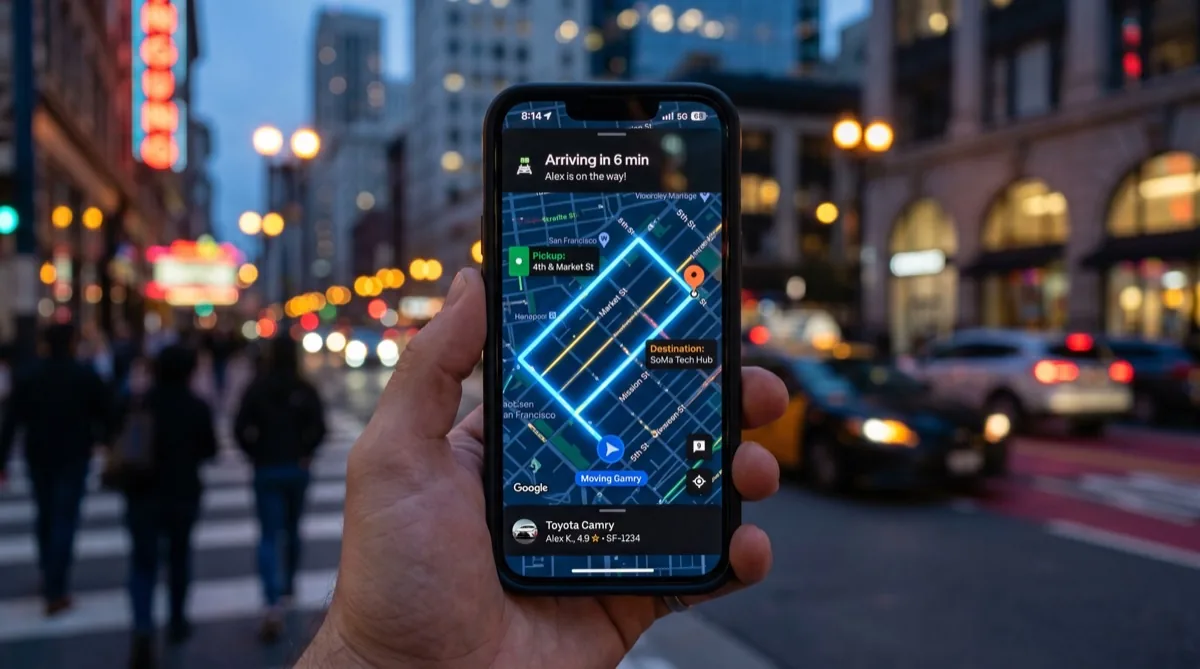
The site of the future is invisible, and decisive.
So… are websites over?
No. What ended was the idea of website as destination. Now it's a point of continuity. The site becomes the most open interface of the ecosystem, where data enters, intentions are read, and decisions are presented.
The site does not die. It evolves. And it only survives if it is part of something larger, a decision engine that turns behaviour into action.
The site of the future is invisible and decisive
In the new paradigm the user doesn't notice they're being guided, the experience feels natural, the architecture disappears, the journey adapts, and navigation becomes simply… obvious.
The site does not draw attention to itself. It draws attention to the clarity of the decision. And that is not built with more banners, animations or graphic elements. It is built with architecture, data and intelligence.
Conclusion: The website died. The ecosystem was born
The death of the website is only the death of the surface. Modern digital demands depth. The static site died. The living, intelligent site responsive to behavior, that one is just beginning.
The future doesn't belong to pages. It belongs to systems that observe, interpret, and decide. And that's the future we're building.
"The future doesn't belong to pages. It belongs to systems that observe, interpret, and decide. And that's the future we're building."
Continuity: Intelligence, Engineering and Strategy
The thinking behind this article connects directly to Code and Soul's vision: systems that learn, platforms that evolve, and applied intelligence that transforms complex operations into sustainable competitive advantage.