Fabrik7 by Code and Soul
Every customer who sits at your table has already said what they want. The problem is that no one listened.
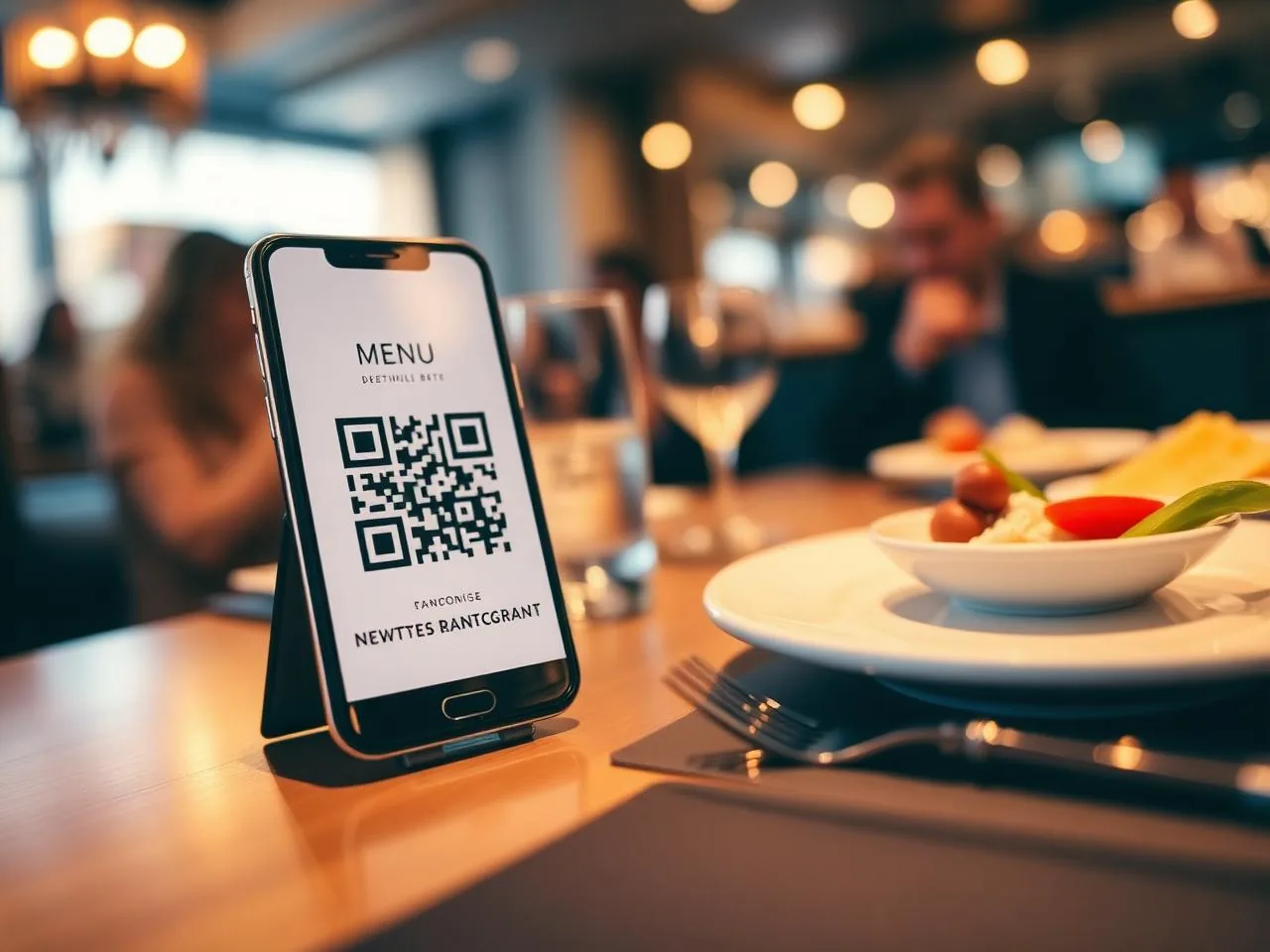
At Fabrik7, the QR code on the table doesn't open a menu. It opens context.
The system recognizes the customer, understands their behavior, retrieves history, and responds before any human decision happens.
The Reality
Your bar or restaurant has data. It just doesn't operate with it.
You know how many beers you sold yesterday.
You don't know who bought them.
You know the month's revenue.
You don't know who didn't come back.
You know Friday was good.
You don't know what caused it.
The system records transactions.
The operation remains blind.
The Turning Point
When every table stops being an order and becomes a signal
The customer scans the QR code.
At that moment, the operation changes state.
The system recognizes who is there. Retrieves history, frequency, preferences, interval since the last visit.
The waiter doesn't start from zero.
Receives a ready briefing.
The menu stops being static. It reorganizes.
If there is context, it shows up.
If there is opportunity, it is executed.
None of this depends on manual configuration.
Nothing enters a queue.
In Practice
The operation starts responding
The waiter doesn't ask. He adjusts.
In seconds, receives on the tablet an AI-generated briefing: who the customer is, what they usually order, when they come, how much they spend, how to approach.
Service stops being guesswork.
It becomes applied context.
The menu stops being the same for everyone.
It reorganizes in real time.
Recurring products rise. Preferences appear. Relevant items gain priority.
It's not suggestion. It's adaptation.
Each action changes the next.
The order updates the profile. Behavior adjusts the experience. Deviation generates response.
Nothing stays still. Nothing needs to be interpreted later.
The operation doesn't observe. It reacts.
Beyond the floor
The system doesn't just look inward. It reads what's around.
The weather changes. The operation responds.
Is it raining? The communication changes tone, the highlights change, the suggestion changes.
Hot night? Cold drinks gain priority on the menu.
The time matters.
Friday night and Tuesday at noon generate different experiences for the same customer.
The system knows these are distinct contexts, and behaves accordingly.
Is there an event today?
Live show, happy hour, themed night, everything appears at the right moment, for those it makes sense to.
If the customer likes rock and there's a rock show today, they know before sitting down.
Context isn't decoration. It's a decision variable.
Environment
The environment also responds
The soundtrack stops being fixed.
Each menu interaction influences what plays.
The system understands collective preference, recurrence, and consumption patterns.
The music follows the floor's behavior.
The customer votes. The queue reacts. VIPs have priority.
Those who like jazz hear jazz when they walk in.
It's not a manual choice.
It's contextual response.
Engagement
The customer progresses. The system recognizes.
Each visit, each order, each music vote brings the customer closer to an achievement.
10 visits
Badge unlocked.
50 IPAs
"Master Brewer", with 20% off.
First of the day
Secret achievement.
Progress is visible. The reward is real.
WhatsApp notifies when something is unlocked.
It's not a generic points program.
It's recognition of real behavior.
Individualization
The table stops being a unit
Each person enters with their own context.
Each one sees a different menu.
Each one orders and pays separately.
The operation understands individuals, not just tables.
Continuity
The experience doesn't end at payment
When the customer leaves, the system keeps operating.
Behavior is recorded.
The experience is evaluated.
The next interaction is already being prepared.
If there is satisfaction, it is amplified.
If there is risk, it is addressed.
New customer?
Welcome coupon arrives via WhatsApp.
Birthday?
Personalized message with offer.
Gone for 30 days?
Automatic reactivation campaign.
Low NPS?
The manager is alerted before the next shift.
Nothing depends on someone remembering.
Fabrik7
Not a concept. It's operating.
Fabrik7 works like this today.
Each table generates signals in real time.
Events are processed continuously.
Decisions are made automatically.
Actions are executed without intervention.
External context integrated: weather, events, time, music playing now.
Achievements unlocked in real time with real rewards.
Campaigns segmented by cluster, preference, and sentiment.
Coupons created and sent via WhatsApp without human intervention.
What looks like service is, in practice, a system operating.
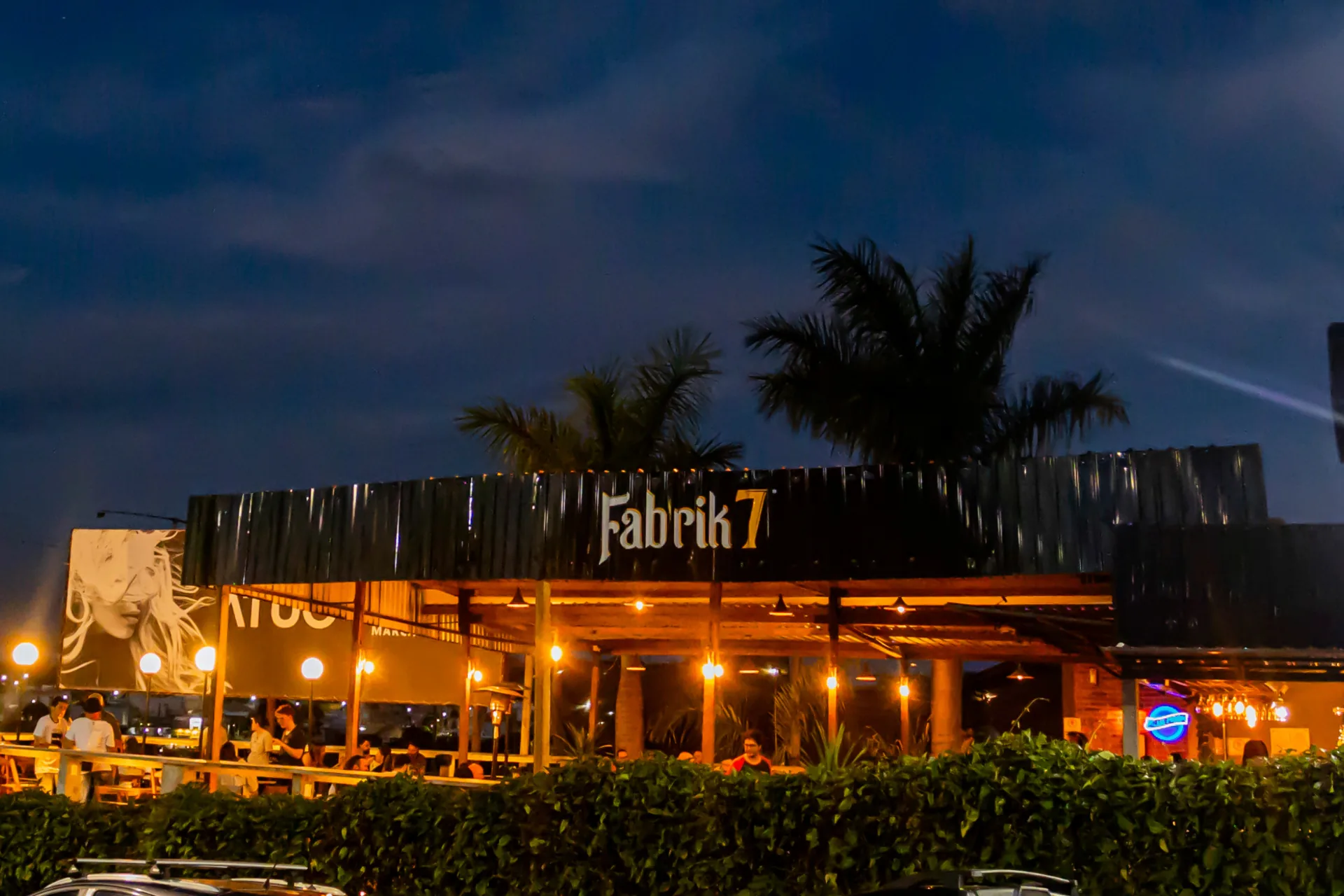
At Fabrik7, we always thought we knew the customer. We knew who came most often, remembered some orders, but it was all gut feeling.
When the operation started running continuously, it became clear how much was slipping through. There were customers who came every week and we didn't even notice, consumption patterns nobody connected, opportunities that appeared and vanished the same night.
Today it no longer depends on memory. The customer sits down and the context is already there. Service flows differently, the menu responds, everything adjusts effortlessly.
And the curious thing is that the customer feels it, even without being able to explain what changed.
Eduardo Barbosa
Operations
Most analyze. Here, the operation changes.
Traditional systems show what happened.
Here, the system interferes with what's happening.
While a report is opened,
a decision has already been made.
While someone interprets,
an action has already happened.
That's the difference.
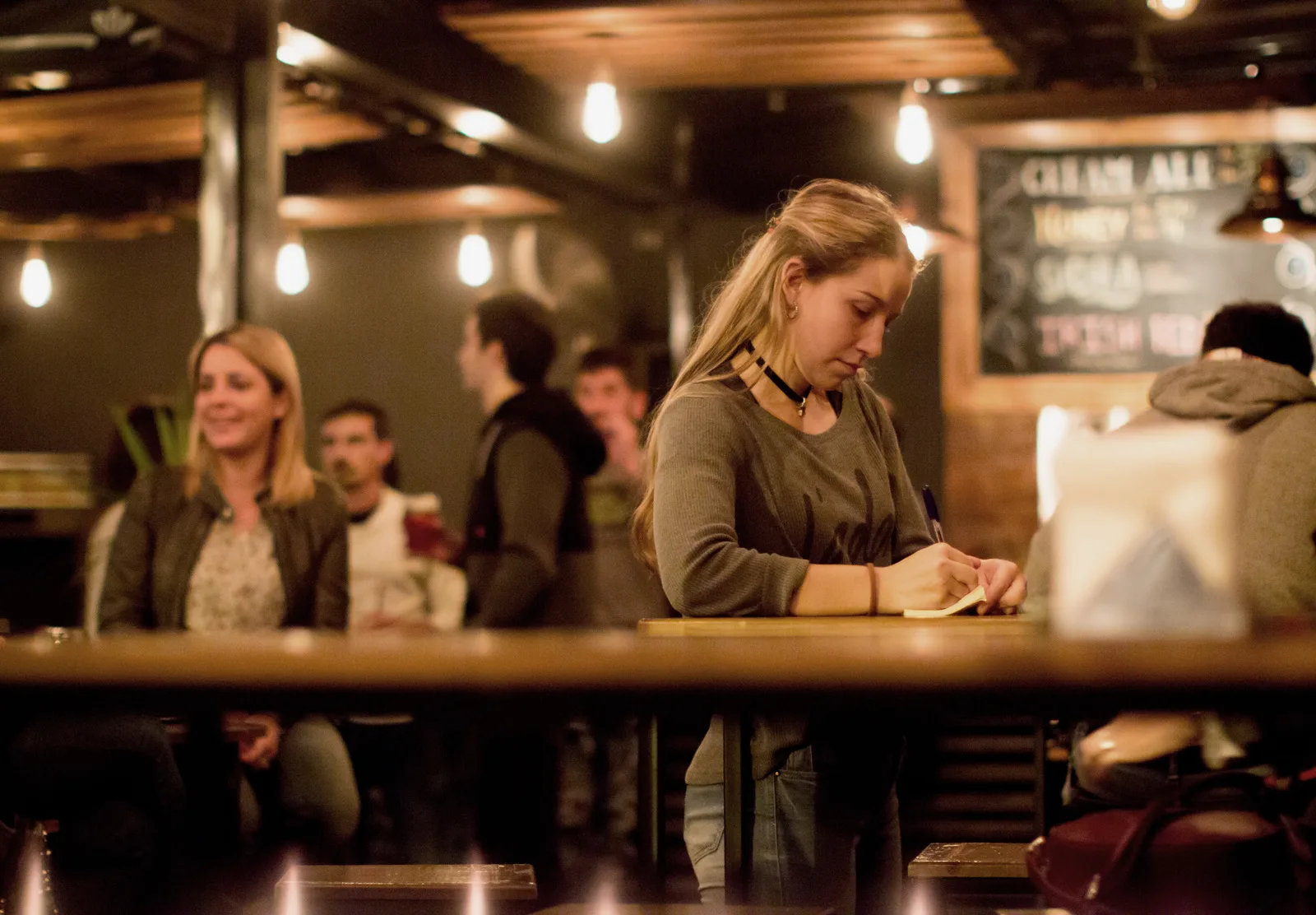
Every guest who sits at your table has already told you what they want.
What is missing is not data. It is someone connecting what they said yesterday to what you offer today, before they leave.
No chaos. No vague promise.
Every engagement follows the same structure: understand the context, prove value fast, scale with governance.
Technical and business discovery
Clarity on what is feasible and where to start.
An operable MVP in production
Something running in the operation, not in a deck.
Scale and continuous operation
Evolution with governance, without restarting each cycle.
What people ask before starting
- Does it integrate with my POS?
- That is the first question and the honest answer depends on the POS. Where an API or an export exists, we integrate and the operation starts reading what already happens at the till. Where it does not, we say so before you hire us, instead of finding out halfway.
- Is this a loyalty programme?
- No, and the difference matters. Loyalty gives points per visit and waits for the person to come back. Here the operation reacts: whoever stopped coming gets the right reason at the right moment, and whoever is at the table now sees what makes sense for them. Loyalty is one of the uses, not the product.
- Do I need to replace my digital menu or my system?
- No. The layer sits on top of what already runs, reading events from what exists. Replacing a system is a months-long project, and most of the gain does not depend on it.
A short timeline is not a promise here. It is a record.
- 104
- matches with real-time scoring
- 38
- days from first commit to first QR in production
- 203
- profiles with classified risk and automatic intervention
Figures from the group’s own ventures, built and operated by Code and Soul. We can name them because they are ours.
Where this has run
The offer above has proof, and the proof has an address.
Tell us what your floor looks like.
How many venues, what kind of audience, and what happens today between the table and the system.
Engineering is not decoration. It is direction.
Your bar or restaurant already has data.
What's missing is operating with it.
If the decision depends on someone noticing the problem, it already arrived late.