Ecosystems, Not Projects
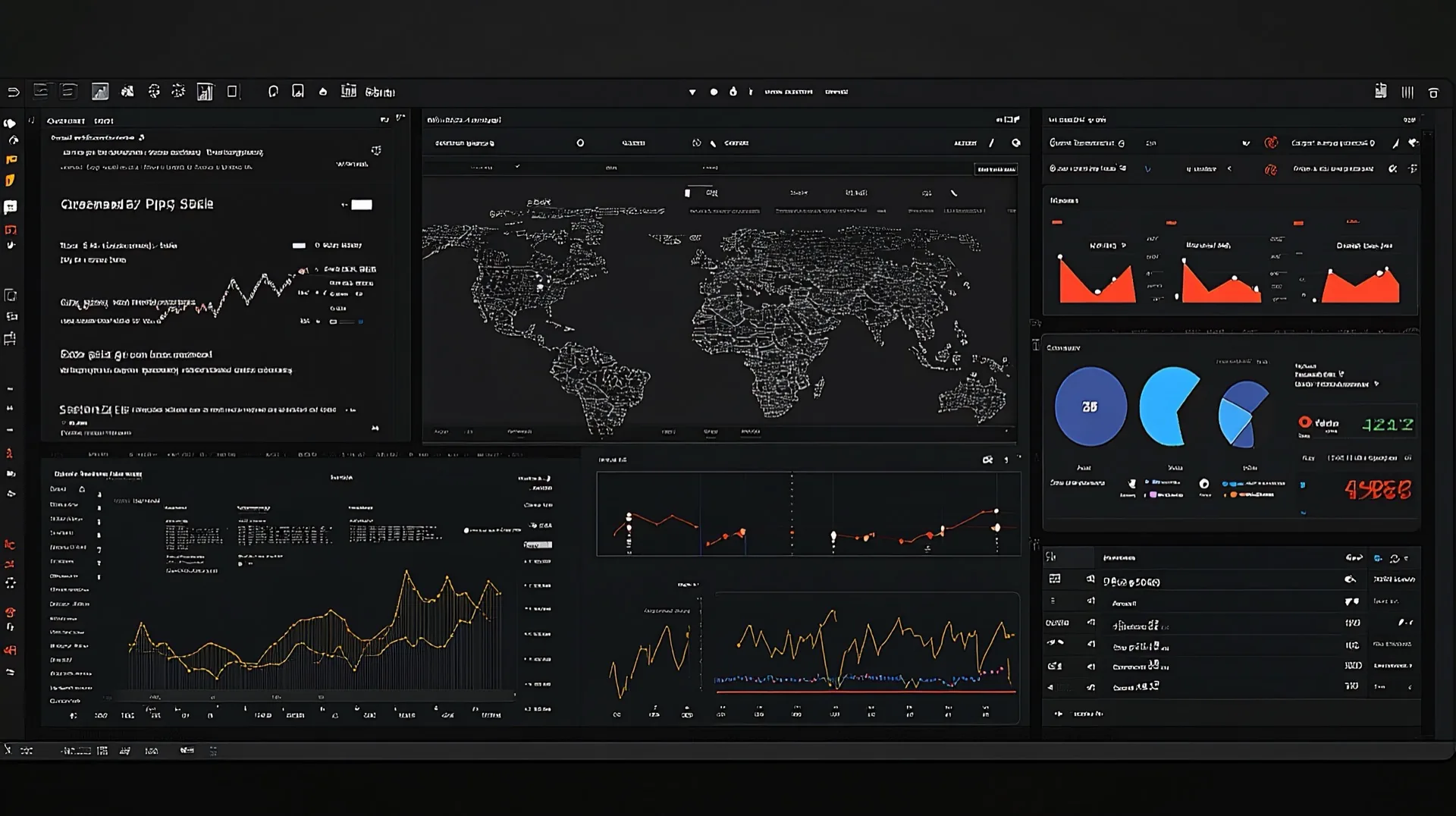
Modern digital experiences are not products. They are ecosystems. And ecosystems don't end, they evolve.
Code and Soul
Engineering Team
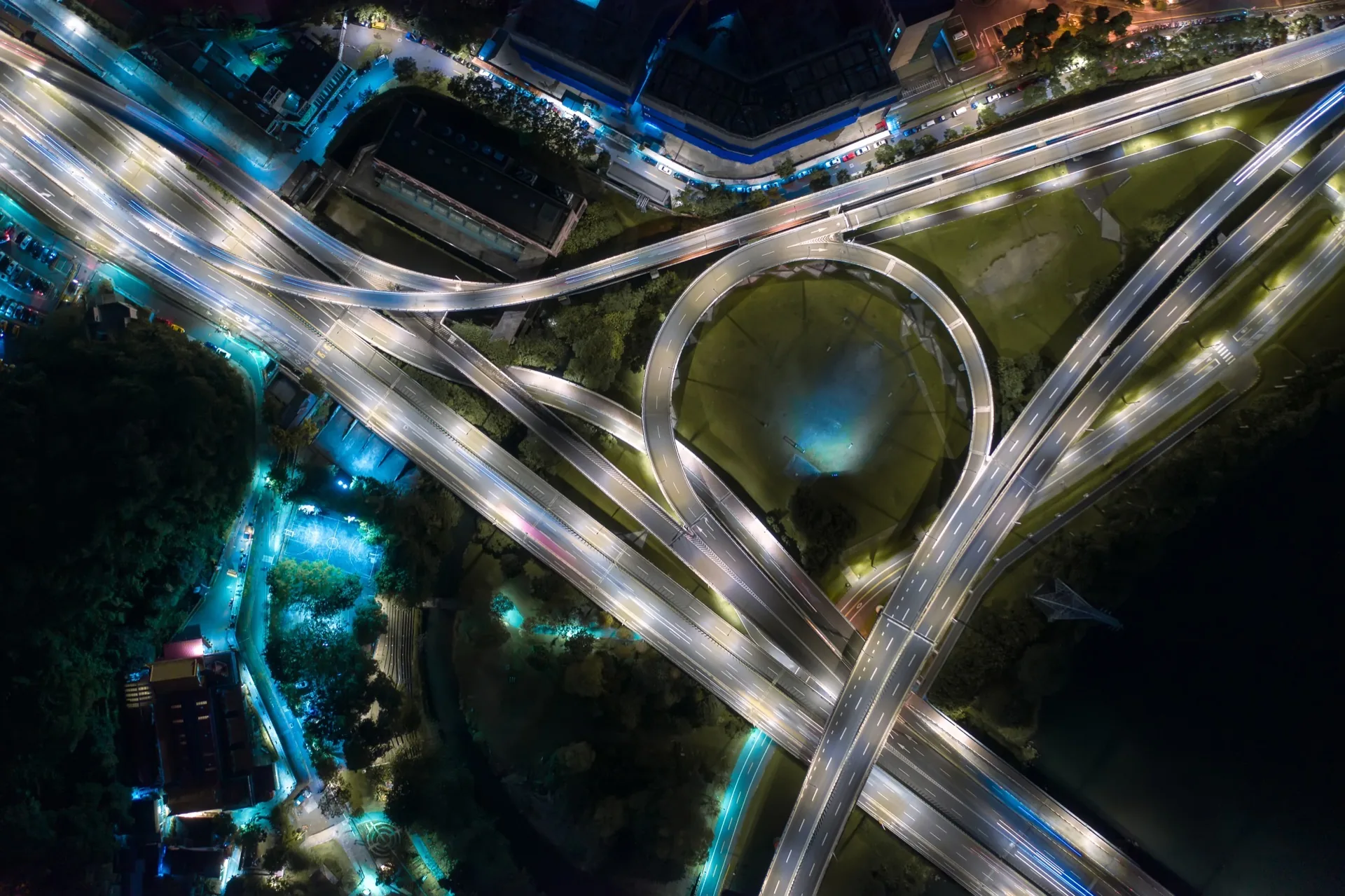
For a long time, the digital market organized itself around simple logic: start a project, deliver a scope, validate a list of requirements, publish a product, then move on to the next. This logic worked while digital experiences were small, linear, predictable, and essentially static. The problem is that reality changed, and the logic didn't.
Today, any minimally digital company operates in an environment where everything is distributed, everything is integrated, everything is alive, everything depends on data in motion, everything is pressed by speed and everything is changed by behaviour.
And against that reality, a project is no longer enough. You do not build something alive with the mindset of something finite.
Projects are static; ecosystems are dynamic
A project is born from a naive premise: "what the user needs" is a fixed truth. It's a comfortable assumption, but incorrect. Behavior changes. Market changes. Expectations change. Interactions create new patterns that didn't exist in the original planning.
The consequence is predictable: backlogs swell, priorities collapse, rework explodes, decisions are made without context and products age the moment they launch.
Projects don't fail because they're poorly managed. They fail because they're incompatible with living complexity.

Ecosystems recognise that experience is movement, not destination.
Ecosystems recognize that experience is movement
Ecosystem logic starts from another premise: the digital experience is not an object; it's an organism. It needs to learn, adapt, adjust rules, redistribute weights, react to stimuli, integrate new components, and survive sudden changes.
An ecosystem is not defined by "deliverables". It is defined by interdependent interactions. It only works when every element cooperates: content, product, data, interfaces, automations, personalisation, decisions and intelligence.
The experience is no longer the sum of parts. It's the emergent effect of their union.
Why companies stall in modernization
Companies get stuck not due to lack of will, but lack of architecture. They try to modernize the site without fixing content, improve content without fixing data, improve data without solving integrations, solve integrations without rethinking rules.
Building automation without telemetry and personalising without understanding behaviour. That produces layers that do not talk to each other, platforms that do not understand each other and an experience that does not hold.
The ecosystem doesn't work because it was built as a project, not as a system.

Platform engineering: the discipline that guarantees interoperability.
Platform engineering: the new discipline
The modern company needs a discipline that sits between architecture and operation: a layer responsible for ensuring interoperability between systems, organizing data in flow, orchestrating rules and automations, keeping intelligence connected to real behavior.
Ensuring consistency and reliability. Evolving services in a modular and continuous way. This discipline, platform engineering, is not a luxury. It's infrastructure.
Experience becomes relational
The difference between a project and an ecosystem is simple: in a project, you define the journey. In an ecosystem, the journey emerges from context.
There is no standard path. There is only who the person is, what they are trying to do, in which context, with which intentions, in which environment, with which history and with which expectation. Real experience is relational.
Interfaces stop being maps. They become responses.
SYNQi³: the ecosystem's brain
If ecosystems are organisms, intelligence is the nervous system. SYNQi³ positions itself as the central piece: not as a product, but as a living layer that understands the entire ecosystem. It captures telemetry, interprets behavior, comprehends context, decides what should happen.
It communicates that to the platforms, coordinates experiences, adjusts flows, integrates data and creates continuity. Without it, an ecosystem is just a collection of tools trying to coexist. With it, the company gains something new: coherence.
SYNQi³ is the layer that transforms a collection of systems into a single system.
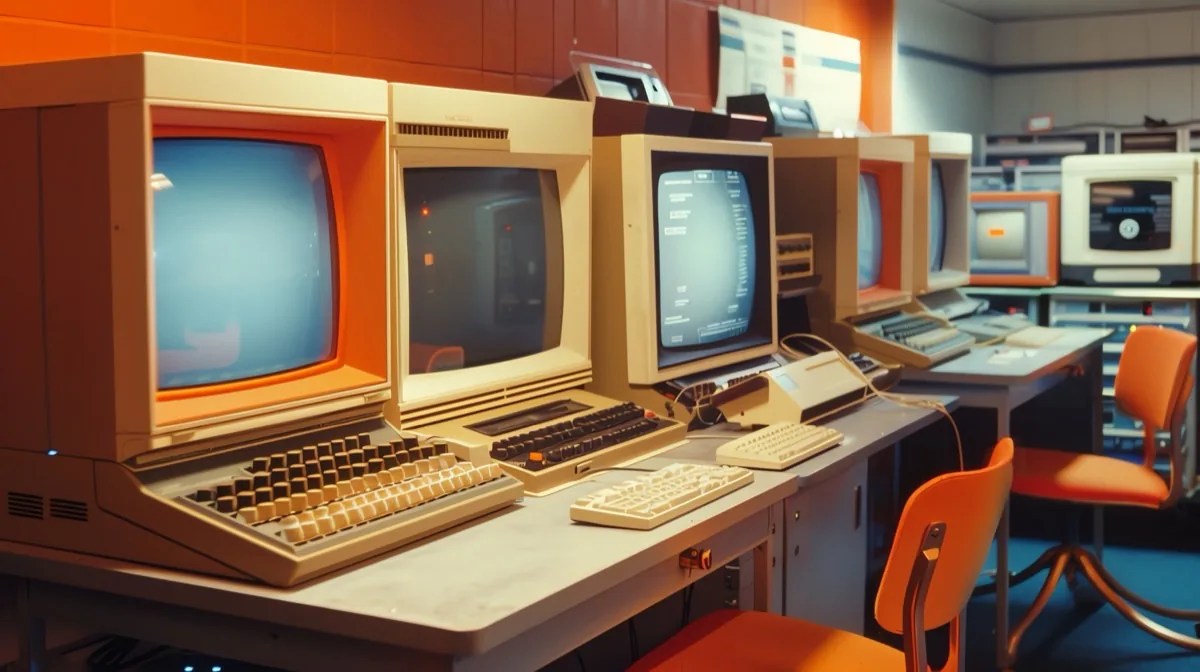
Projects deliver screens. Ecosystems deliver life.
The project era is over, and that's liberating
Not because projects are bad, but because the digital world is no longer a place where they make sense. The future of companies won't be built "project by project." It will be built ecosystem by ecosystem.
The strategic question is no longer: "What is the next project?" The question is: "What is the ecosystem we need to build, and what intelligence will keep it alive?" That is the point where strategy, engineering and intelligence become inseparable.
"Projects deliver screens. Ecosystems deliver life."
Continuity: Intelligence, Engineering and Strategy
The thinking behind this article connects directly to Code and Soul's vision: systems that learn, platforms that evolve, and applied intelligence that transforms complex operations into sustainable competitive advantage.