Intelligence Is the New Interface
The history of human–machine interaction has always been a history of intermediaries. First came text commands. Then windows. Icons. Buttons. But this era is coming to an end.
Code and Soul
Engineering Team

Digital companies that grow, scale, and survive aren't winning because they have "beautiful interfaces." They're winning because they learned something deeper: the interface isn't where interaction happens, it's the consequence of an intelligence that understands context.
UX is ceasing to be a surface. It is becoming a living system. And that movement is so large, so inevitable, so structural, that it will completely redesign the way we think about product, marketing, engineering and digital experience.
The new frontier of experience
For decades, improving experience meant improving screens. Refining flows. Organizing components. Endless A/B testing. Today, that's no longer enough.
High-performing digital experiences share a common denominator. They understand behaviour before rendering UI. They anticipate needs before showing options. They act before the user asks.
Intelligence replaces navigation. Pre-empts friction. Erases resistance before it exists. The interface is still there, of course. But it stops being the protagonist.

The interface stops being the protagonist and becomes the vehicle.
Experience is the sum of decisions
When we study the digital operations of companies that won the last decade, we notice a silent but definitive shift: what differentiates experiences is no longer interface design, but the quality of decisions that happen between one interaction and the next.
What data is collected? What did the system learn from it? What does the system do with it? How does this change what the user sees, receives, or never needs to do?
When intelligence isn't in the architecture, the interface carries the entire weight of the experience, and inevitably collapses.
The three foundations of intelligent interface
Telemetry as behavior
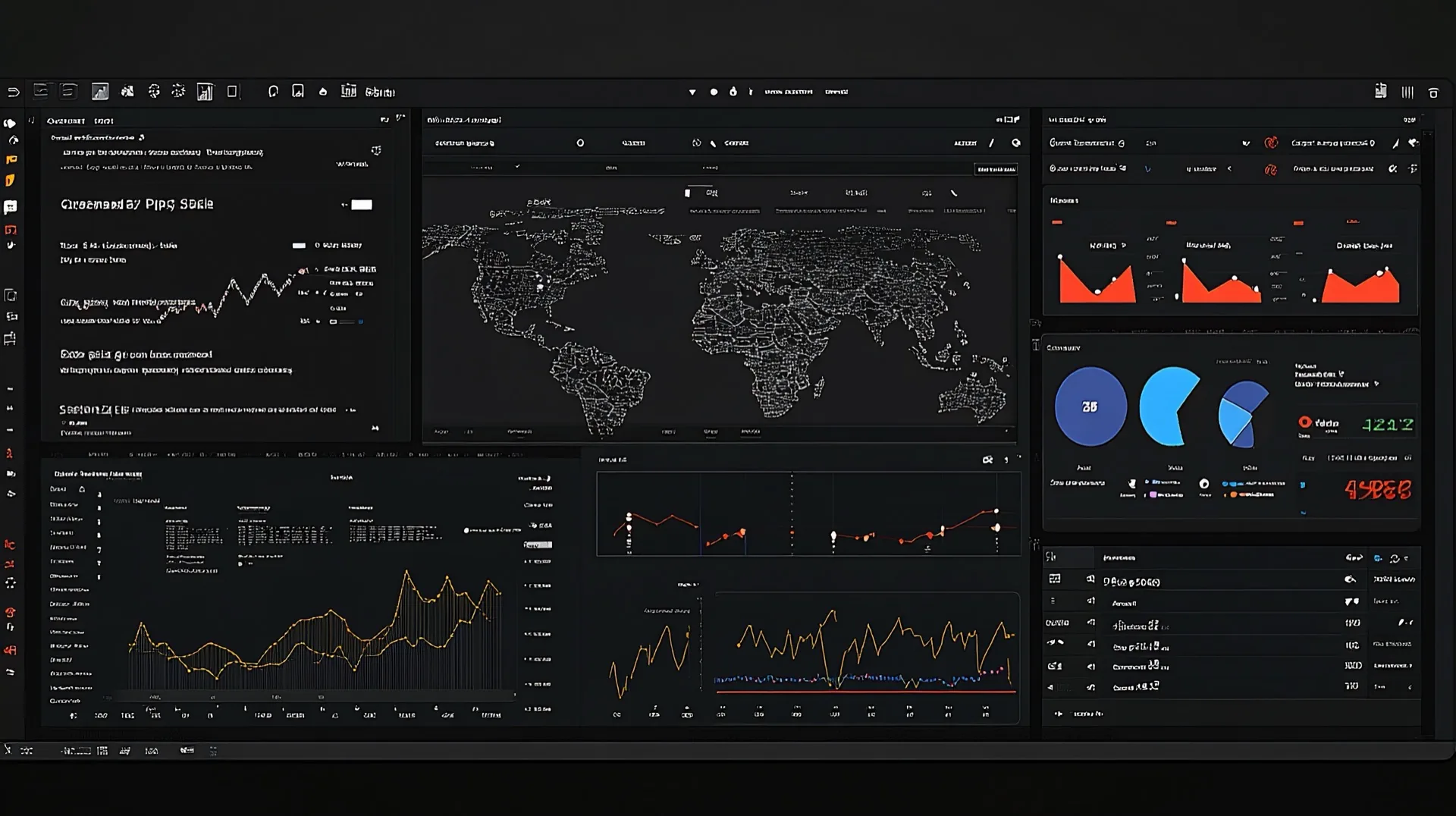
Data doesn't exist for dashboards. It exists to understand intent. Next-generation telemetry doesn't describe what happened. It predicts what's about to happen. It turns navigation into patterns, patterns into inferences, and inferences into decisions.
Personalization as infrastructure
Personalization isn't similar recommendations, dynamic content, or segmented blocks. That's cosmetics. Real personalization is a continuous model that evolves with living behavior. It is infrastructure, not a feature.
Rules as orchestration layer
The future of experience isn't static. It's governed by a layer that decides what changes, when it changes, for whom it changes, and why. It turns a system into an organism. It turns a site into a living circuit. It turns the interface into a consequence, not a structure.

The quality of the decisions between interactions defines the experience.
The greatest competitive equalizer of the next decade
Most companies still operate on outdated models: static products, rigid flows, linear journeys, neutral interfaces. This creates a chasm between what companies want users to do and what users actually need.
It's not the interface that creates intelligence; it's intelligence that creates interface. This inversion changes everything.
Fewer screens, more decisions. Less navigation, more anticipation. Less "beautiful UX", more context. Fewer "perfect flows", more systems that learn.
What this means for digital engineering
The next decade belongs to companies that understood something most haven't realized yet: UX is no longer the layout. UX is what happens before the layout.
When the decision comes before the interface, faster, more human, more efficient, more intuitive, more alive experiences are born.
And companies that operate this way do not compete on design. They compete on intelligence.

UX stops being the result of design and becomes the result of architecture.
The interface doesn't die. It evolves.
We're not heading toward a future without interface. We're heading toward a future where the interface changes, reacts, negotiates, anticipates, learns, makes decisions, reduces effort, maximizes intent.
A future where experience is co-created between architecture, intelligence and human behaviour. And in that future, which has already begun, intelligence is not an add-on. It is the new front end.
"The new button isn't clickable. It's contextual. It's alive. And from now on, intelligence is the new interface."
Continuity: Intelligence, Engineering and Strategy
The thinking behind this article connects directly to Code and Soul's vision: systems that learn, platforms that evolve, and applied intelligence that transforms complex operations into sustainable competitive advantage.